Cosmetic dental care considers appearance alongside the health, strength and function of the teeth. A consultation helps identify the cause of a concern, set realistic expectations and compare conservative and restorative options.
Assessment first. Suitability is determined after an examination and any appropriate diagnostic records.
When might this treatment be considered?
These examples are general and cannot diagnose the cause of a concern.
A patient would like to discuss tooth colour or staining.
Selected teeth are chipped, worn, uneven or have visible restorations.
A damaged tooth needs restoration and appearance is part of material selection.
The shape or surface of a tooth is a concern and a veneer may be one option.
Treatment options
The most appropriate option depends on clinical findings, priorities and informed discussion.
Professional whitening
Clinic-supervised whitening may lighten natural tooth colour after an oral-health and suitability check.
Home-whitening kits
A dentist-supervised home approach uses instructions and materials selected for the patient.
Veneers
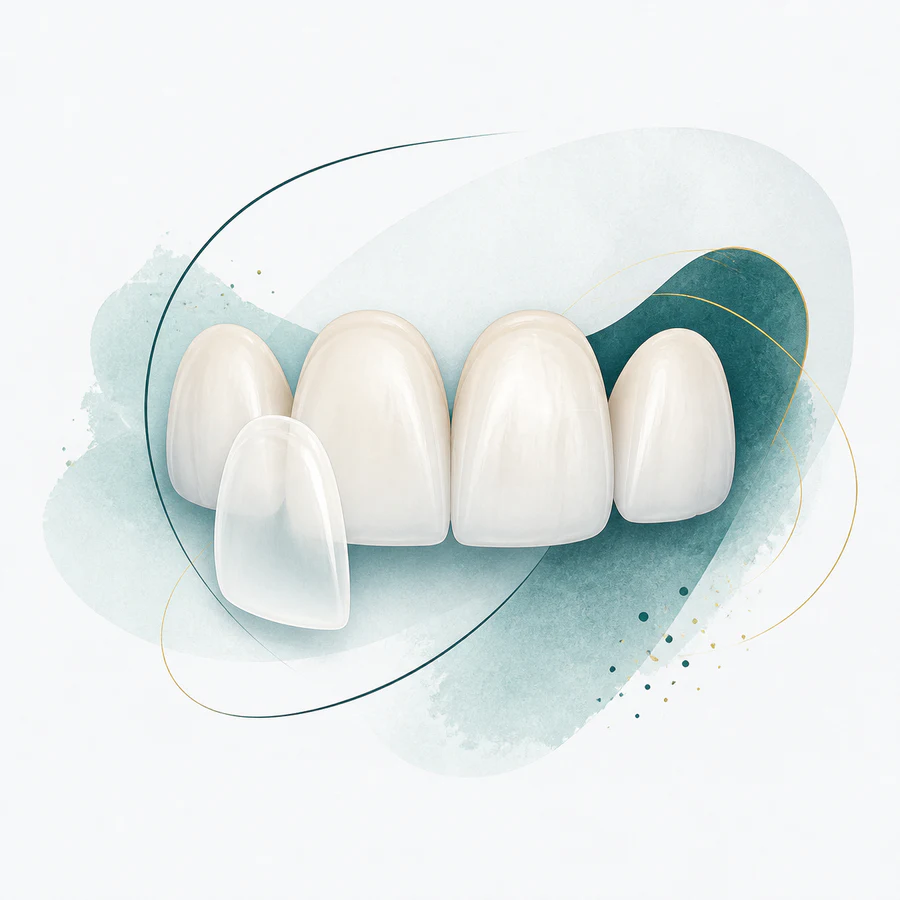
A thin restoration may alter the visible surface of a selected tooth after benefits and tooth preparation are considered.
Tooth-coloured fillings
Composite material may restore selected damaged or decayed areas while blending with nearby tooth structure.
Metal-free and zirconia crowns
A tooth-coloured crown may rebuild and cover a tooth when a full-coverage restoration is appropriate.
Services listed in this category
Professional whitening or bleaching
Home-whitening kits
Veneers
Tooth-coloured cosmetic fillings
Metal-free crowns
Zirconia crowns
Assessment and diagnosis
A consultation helps the dentist understand the concern and identify appropriate next steps.
01
Discussion of the concern, desired change and realistic expectations.
02
Examination of tooth and gum health, existing restorations and bite.
03
Digital dental X-rays where needed to assess tooth health before cosmetic treatment.
04
Consideration of less invasive, restorative or orthodontic alternatives.
05
Agreement on material, maintenance, limitations, likely sequence and approved fees.
Treatment journey
What the process may involve
01
Consultation
The concern and desired outcome are discussed without assuming one treatment is suitable.
02
Health and suitability checks
The dentist examines the teeth and gums and identifies any care needed first.
03
Compare options
Conservative and restorative choices, limitations, maintenance and alternatives are explained.
04
Agreed treatment
Treatment proceeds only after expectations and informed consent are clear.
05
Review and maintenance
The result, bite and home-care requirements are reviewed as appropriate.
Potential benefits and important considerations
Potential benefits
Can address selected concerns about tooth colour, shape or visible restorations.
Allows conservative and full-coverage options to be compared.
Plans appearance together with tooth health and bite.
May combine with preventive or restorative care where clinically appropriate.
Limitations and considerations
Whitening affects natural teeth differently from fillings, crowns and veneers.
An exact shade or permanently unchanged colour cannot be promised.
Veneers and crowns may require alteration of tooth structure and future maintenance.
Not every cosmetic concern can or should be treated with one procedure.
Individual results and restoration longevity vary.
Recovery or adaptation
Temporary sensitivity can occur with some whitening or restorative procedures.
The mouth may need a short adaptation period after changes to tooth shape or bite.
Procedure-specific advice explains which symptoms warrant a prompt review.
Treatment length and recovery vary according to clinical complexity and individual response. Follow the advice given for your own care.
Aftercare
Follow the dentist’s instructions for cleaning and any short-term food or drink precautions.
Avoid habits or biting forces that may damage restorations.
Attend reviews so tooth health, margins and bite can be assessed.
Discuss new sensitivity, roughness, movement or colour concerns with the clinic.
Frequently asked questions about cosmetic dentistry
Whitening is intended for natural tooth structure and may not change existing restorative materials in the same way. The dentist can assess how this affects planning.
No. Response varies between teeth and people, and restorations may respond differently. Expectations should be discussed before treatment.
No. Tooth health, enamel, bite, habits and alternative treatments must be considered first.
Active disease generally needs assessment and appropriate management before elective cosmetic work is planned.
No dental material or colour result should be described as permanent. Natural teeth and restorations change over time and need ongoing care.